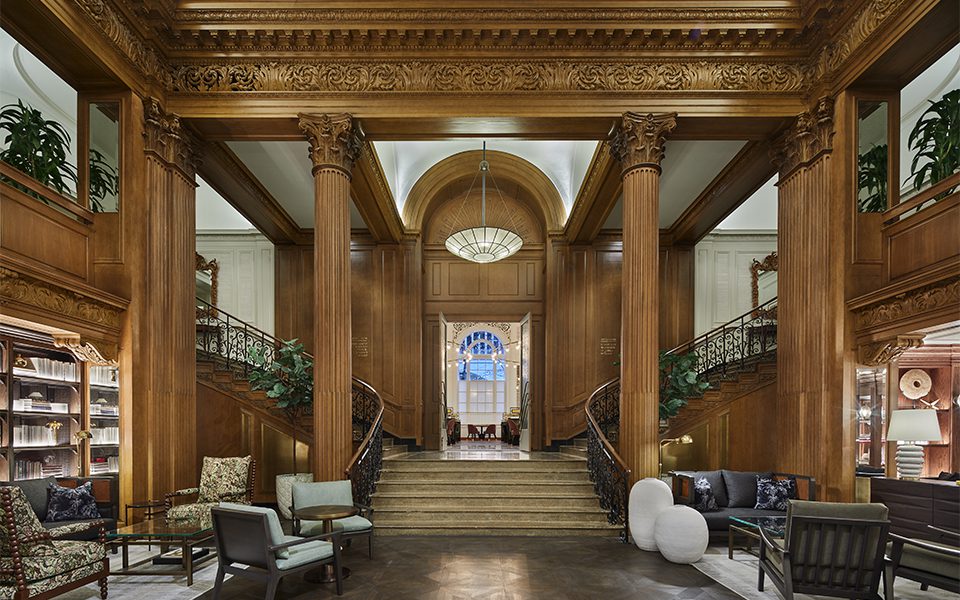
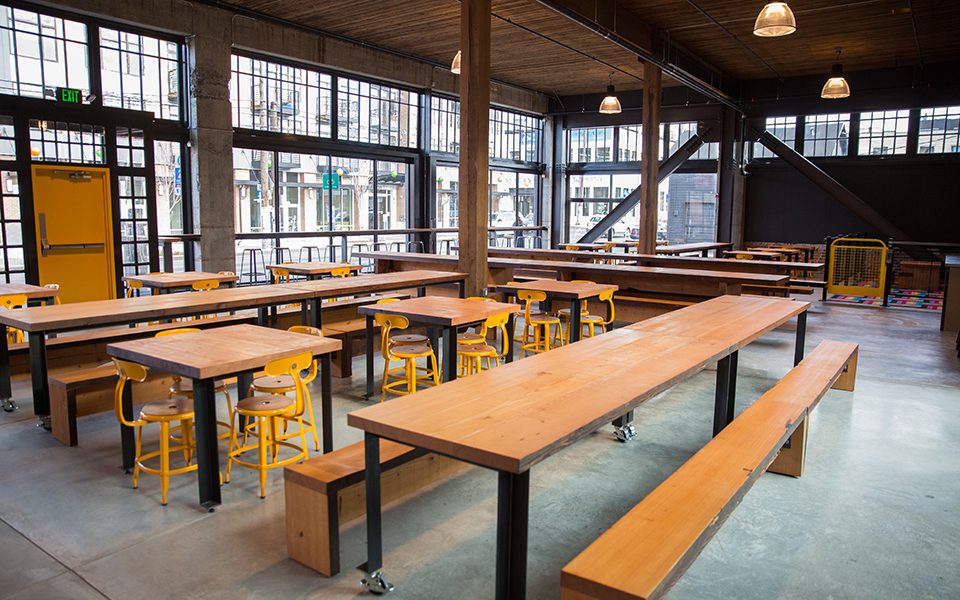
We believe good design is an ongoing conversation—a collaborative process where owners and the design team work together to iterate toward refined, thoughtful solutions. We’re drawn to the complexity and layered stories of historic architecture, and we enjoy the investigative work it takes to preserve a building’s historic fabric while making it safe and functional for future use. A successful renovation, to us, is one that’s cost-effective, honors the building’s character and context, and seamlessly integrates modern elements to meet today’s safety and performance goals.
Our Approach
Verifying existing conditions
Our approach to existing conditions is one of curiosity — not only curiosity of the existing structural framing, but a holistic view of the as-built systems and their interdependence on each other to provide a functional space for the end user.
Navigating Code & Permitting
Early engagement with the AHJ is key—pre-submittal conferences build alignment, clarify code interpretations, and streamline approvals, turning officials into advocates for the project.
Active involvement
In the absence of existing plans and with unexpected conditions common in historic renovations, our team stays closely involved with weekly site walks and meetings—collaborating with the contractor and client to keep the project moving while addressing seismic and URM-specific challenges in real time.
Built in 1909, Firehouse 23 now houses Byrd Barr Place, a vital nonprofit serving Seattle’s Central District. To preserve this historic structure and the organization’s budget, Lund Opsahl crafted an innovative, code-driven solution—concealing steel cross ties and strongbacks behind insulation to stabilize the URM walls, restore structural integrity, and meet modern safety standards without compromising the building’s character.